 Skip to content

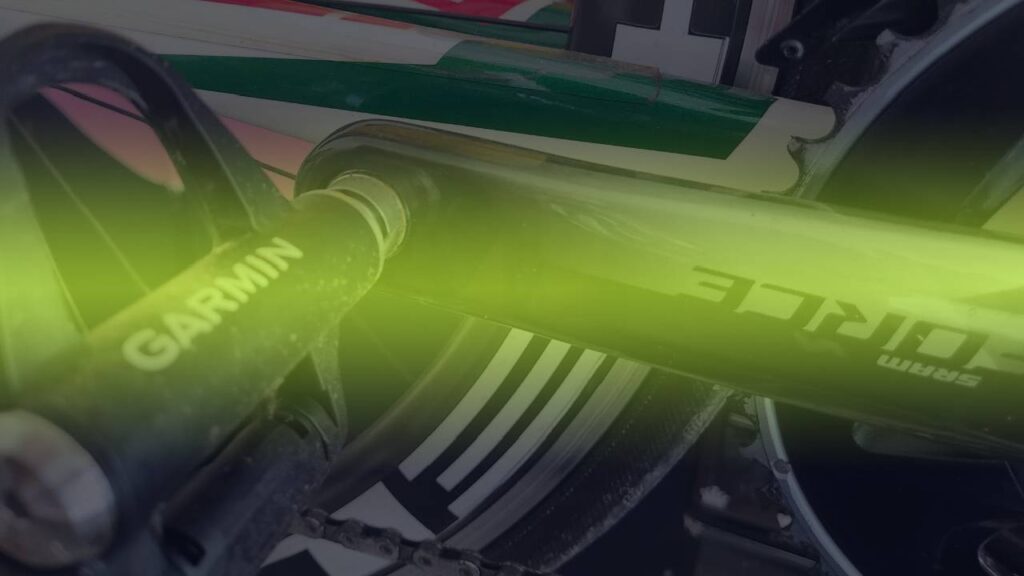
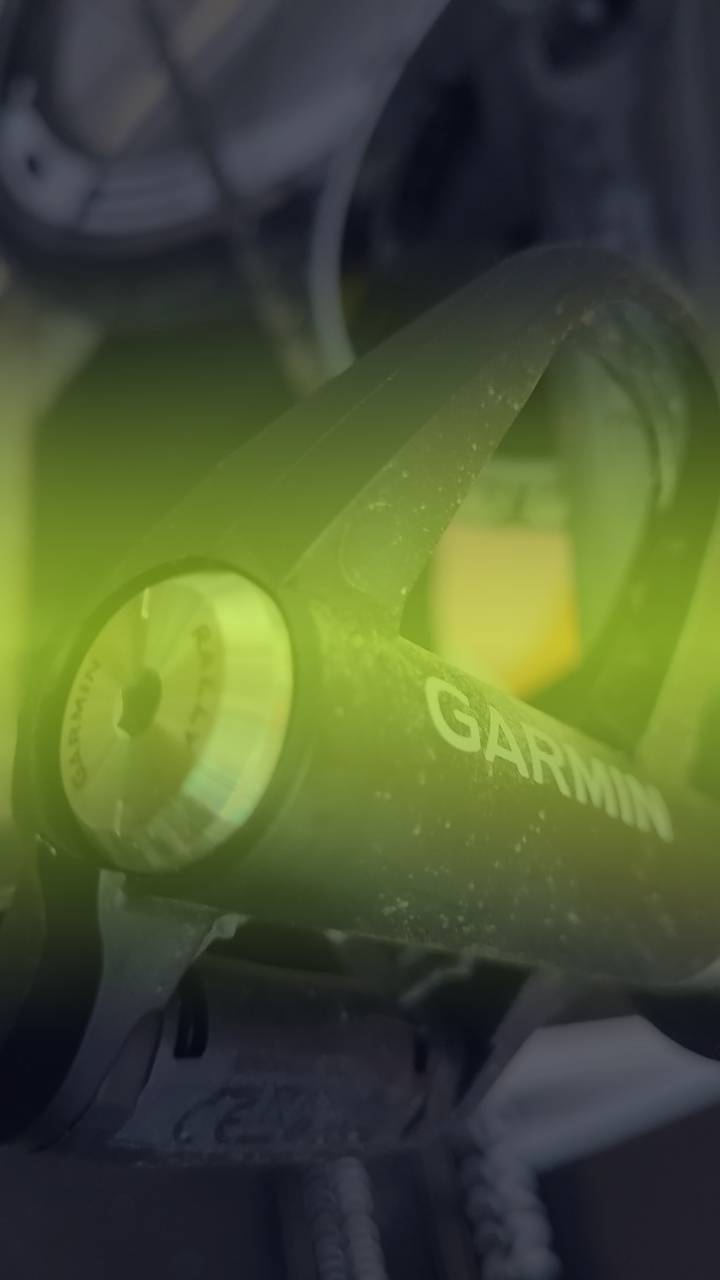
Dual-sensing power meter pedals
It's all about the bike...
...and it's components!
When you ride, you want to know how you are performing, maybe sometimes or EVERY TIME. If you would like to track your performance on the bike, you will need Power Meters. These are by far the most common meters as they are compatible with any bike, pedals are easy to install (you will need a 15 mm wrench) and you can buy one pair and exchange them between your bikes… almost ALL your bikes; you will need MTB pedals for one type of bikes and Road pedals for… well… road bikes, TT and Triathlon bikes.
Disciplines:
- MTB, like the Garmin XC200 Dual-sensing Power Meter
- Road / TRI / TT, I use the Garmin RS200 Dual-sensing Power Meter
- Note: click on the link to learn more about these pedals
Choices:
- Single (one leg, usually the left)
- Double (both legs)
Pictures the sun shining, the trees dancing with their shades and the cool wind on your face, as you pedal to the top of that summit you know very well. The road is hard, you start pedaling in a standing position, and after one minute you sit down on the saddle. You are sweating, tired, you have polen and dust on your face and a big smile that was worth all the EFFORT.
Now you know What that effort was! it is captured by your power meter pedals. You will be able to monitor:
- Total power (in Watts)
- Left/right balance
- Cadence
- Time Standing vs. Time seated (cycling dynamics)
- Power Phase and Balance
- Platform Offset (left and right depending on your pedals)
- Time in Power Zones (not the same as Heart Rate Zones)
Now it is easy to monitor your performance and track your improvements. Power metrics, that is. If you also wear a heart rate monitor (HRM) and a cycling computer or a multisport watch, such as the Garmin fenix 6X Pro Solar, you will have a 360º view of your activity and track:
- Speed (may require a separate sensor)
- Heart Rate
- Performance Condition
- Training Effect (Aerobic & Anaerobic)
- Respiration rate (depends on your computer/watch and sensor)
- Elevation
- Temperature
- Time in Heart Rate Zones
I also use the Crankbrothers Doubleshot Hybrid Pedals. They come in various colors and they are, well… HYBRID! This means you can wear regular sneakers or clipless shoes (not compatible with the Shimano SPD system). These pedals are light and comfortable. These pedals do not measure power, but they are very versatile and look very cool.
When I hit the back roads and highways, I ride a Fuji Gran Fondo. It is a carbon bike, light and resilient, and I have the the Garmin RS200 pedals installed. A very important consideration to me is to have DUAL meters, which is that BOTH pedals capture information. There are other models that are SINGLE power meters. Look for the one you want. I also use a Garmin Sensor, the HRM-Pro. In my experience, it has been better than the Garmin HRM-Tri. The battery seems to last a little longer and it is easier to close and seal when you change the battery. Both HR sensors are great, but I like the Pro a little better.
In our next BIKE Blog, we will discuss the benefits of cycling with these meters, the metrics, their importance, and how you can use them to ride better, faster and more efficiently. Below you can find the links to these products.